
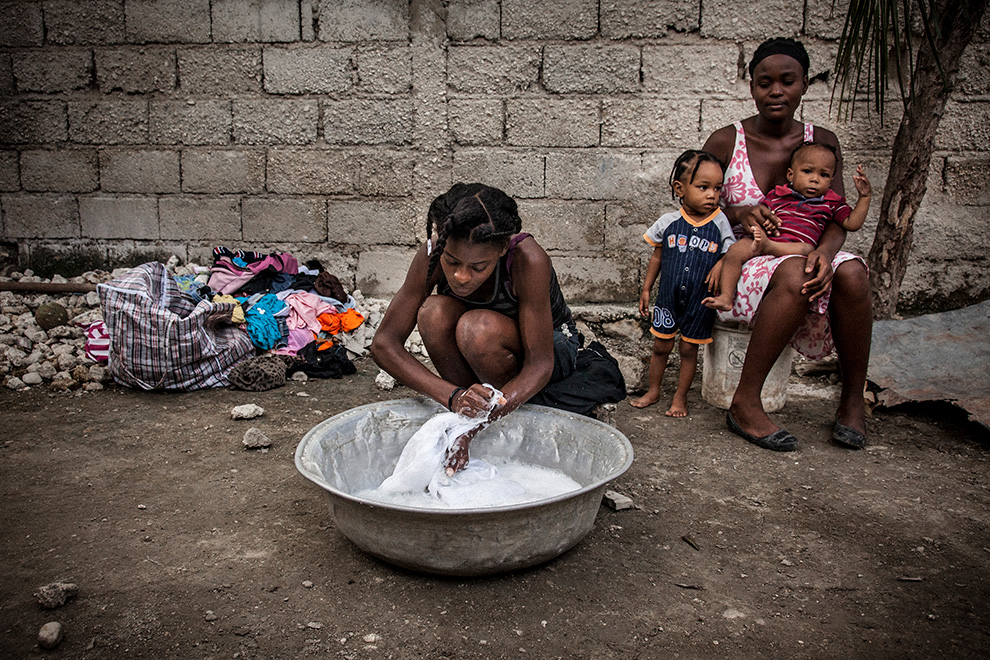
In Haiti, a longstanding social practice known as the restavek system traps tens of thousands of children in conditions that international observers describe as modern-day slavery. The term restavek comes from the French rester avec (“to stay with”) and refers to children sent by impoverished families to live with better-off households in exchange for food and shelter. Despite this intention, many never receive schooling or the care they were promised and instead face exploitation, isolation, and abuse.
What Is a Restavek?
Restaveks are child domestic workers—often girls, but including boys—who live in households where they are expected to perform arduous labour without pay. Their duties can include cooking, cleaning, fetching water, washing clothes, caring for younger children, and other tasks associated with long workdays. In many cases, restaveks work 10–14 hours a day, often using dangerous tools or performing physically demanding chores well beyond what is safe for a child.
How Many Children Are Affected?
Estimates vary, but between 250,000 and 500,000 children in Haiti are believed to be part of the restavek system—a substantial share of the nation’s child population. Some surveys suggest that more than 11 % of households host a restavek, and girls make up about three-quarters of these children.
The Human Cost
Evidence shows that restaveks have much lower rates of school participation and are more likely to miss out on basic education altogether. Many enter restavek life at a young age—often before 10—and are rarely integrated into the host family in any meaningful way. There is also a significantly increased risk of physical, emotional, and sexual violence compared to other Haitian children, linked to the power imbalance and lack of legal protection in these households.
Research indicates that a higher proportion of restavek youth report having endured violence before reaching adulthood, with girls in particular facing elevated risks of physical and sexual abuse.
Roots in Poverty and Inequality
For many families living in rural Haiti, the restavek system is seen as a painful necessity—a way to try to give children better access to food and possibly schooling they could never afford at home. However, the outcomes often fail to match these hopes. Children leave relatives with the dream of education and stability but find themselves cut off from families and trapped in servitude.
Moving Forward
Various local and international organizations are working to raise awareness, rescue restavek children from abusive situations, and improve access to education and support services for former restaveks. Ending this deeply rooted child-servitude system will require sustained attention to both economic vulnerability and child protection laws in Haiti.
- Pray for the children involved in the restavek system, for safety and rescue from abusive situations.
- Pray for an end of the social conditions that lead families to send their children into this system.
- Pray for the ministries and agencies working to raise awareness, rescue children and support those dealing with the trauma of being restaveks.